KORA / Cities — East China
Shanghai 上海
Local favourites
Where locals actually go.

The Bund 外滩
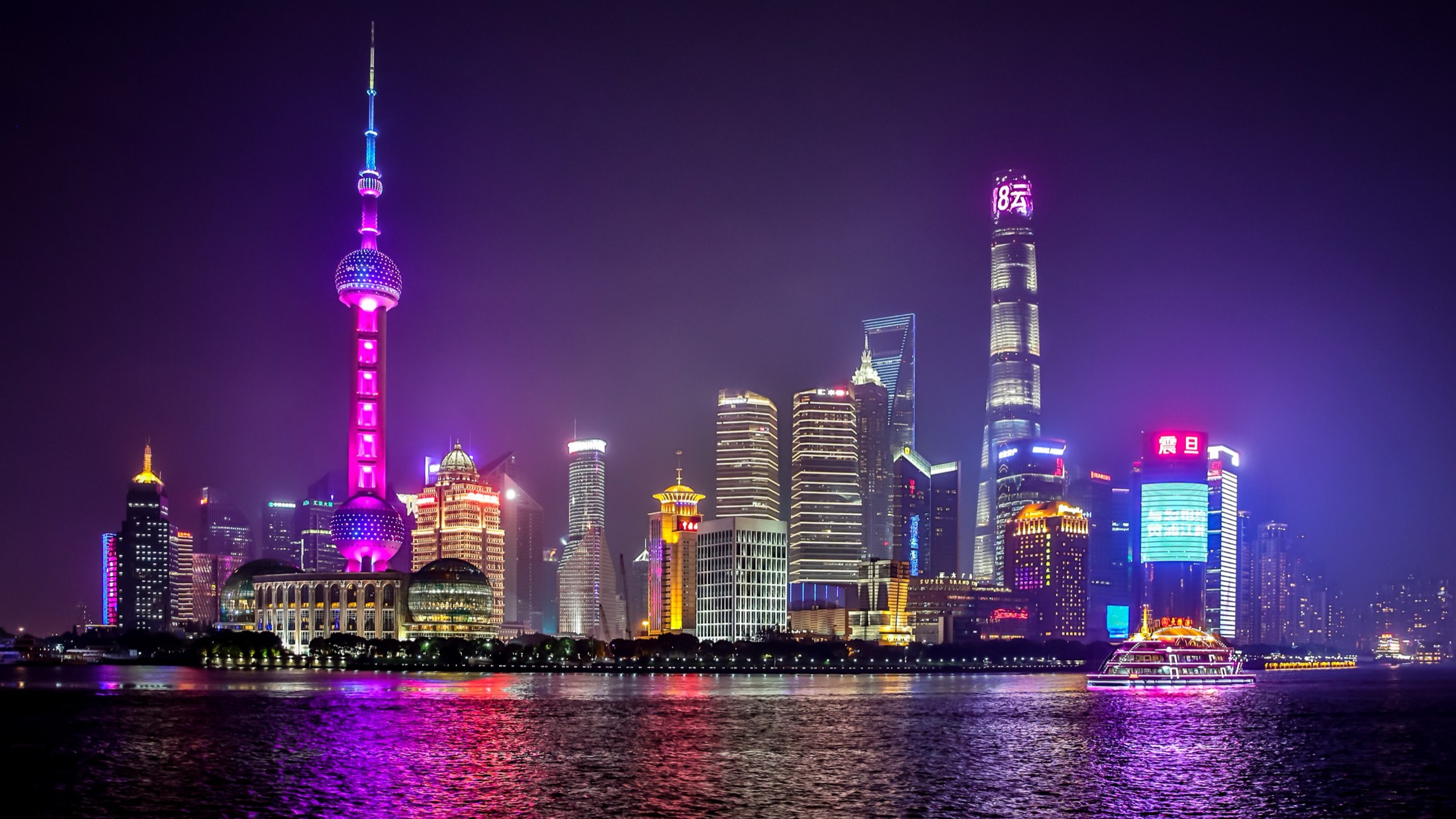
The classic river line, walked the local way — food halls first, dusk at the water.
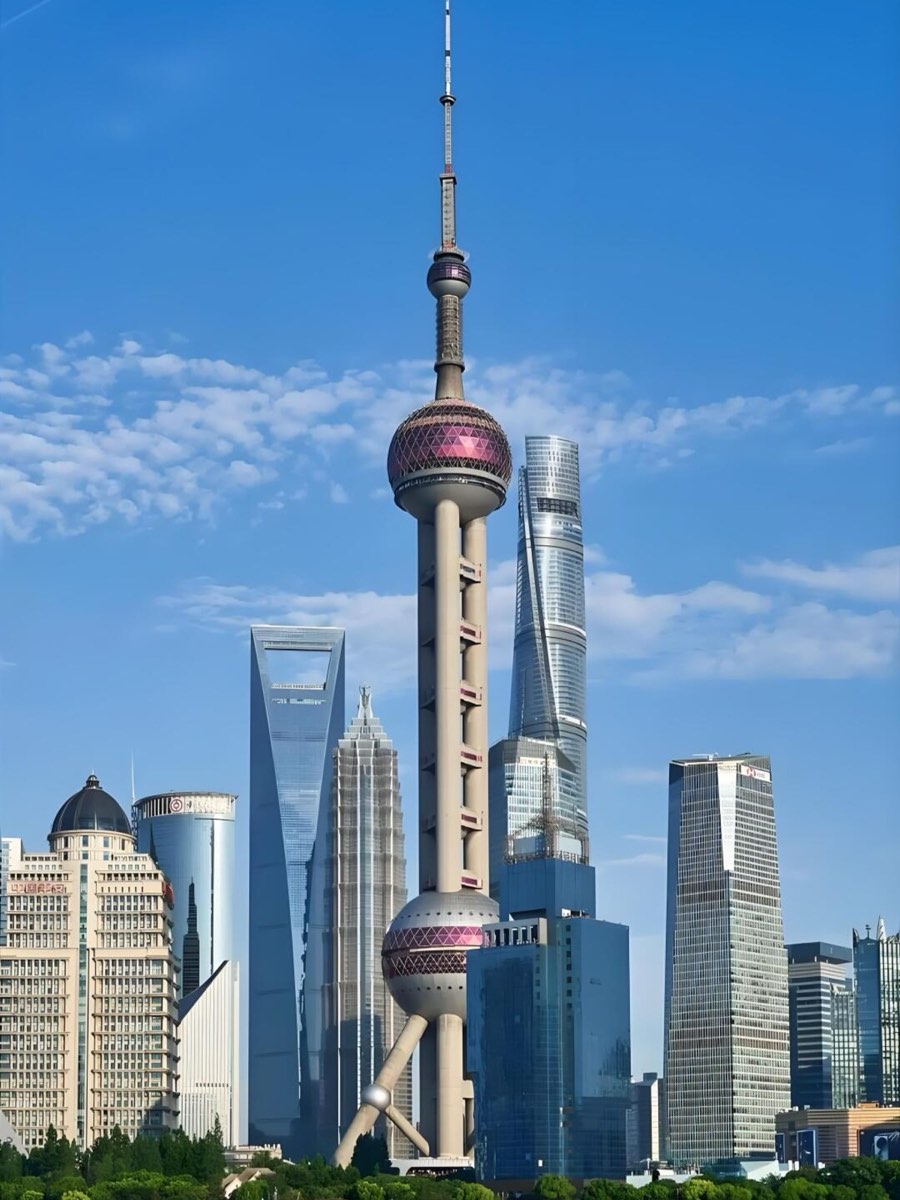
Oriental Pearl Tower 东方明珠
The 468 m icon — locals mostly shoot it, not climb it. Both options explained.
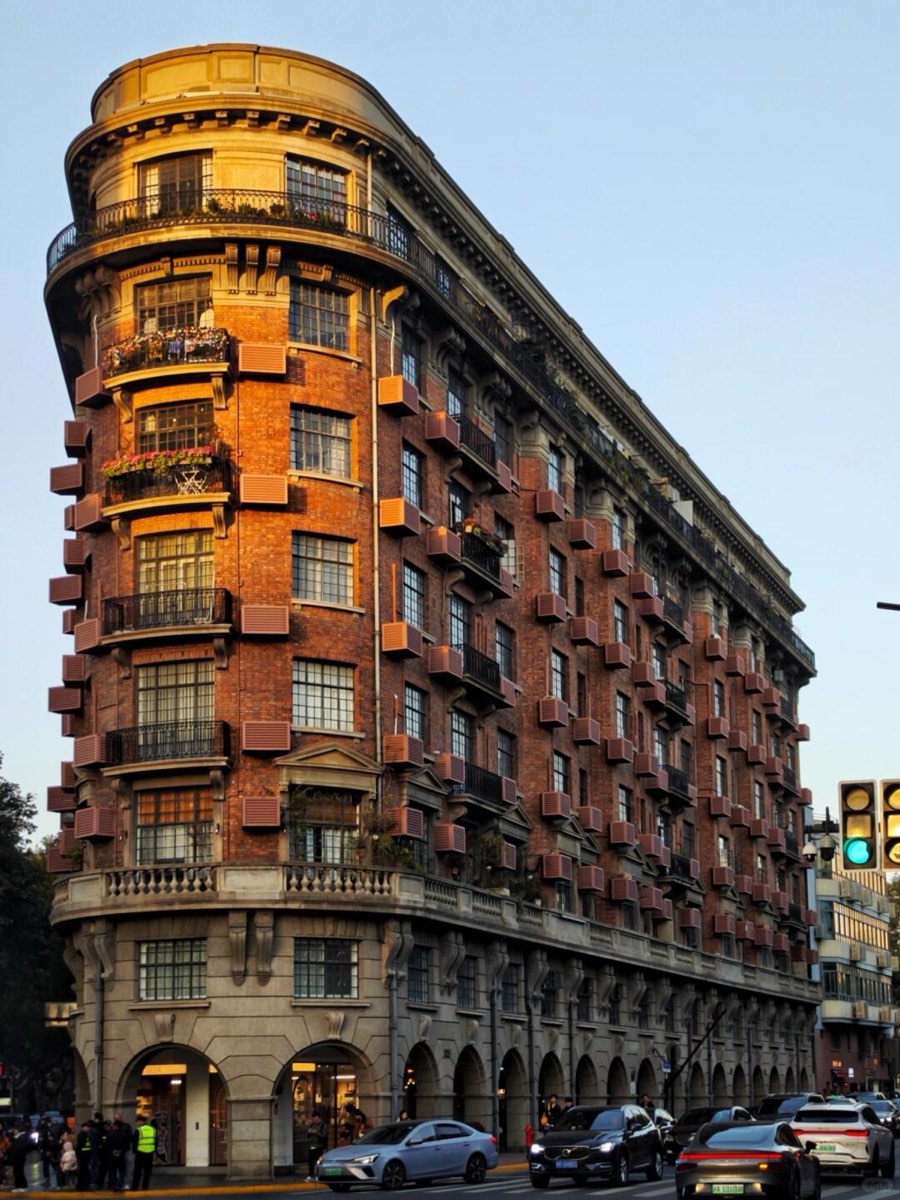
Wukang Mansion 武康大楼
Hudec's 1924 flatiron — the city widened the corner just for the photograph.
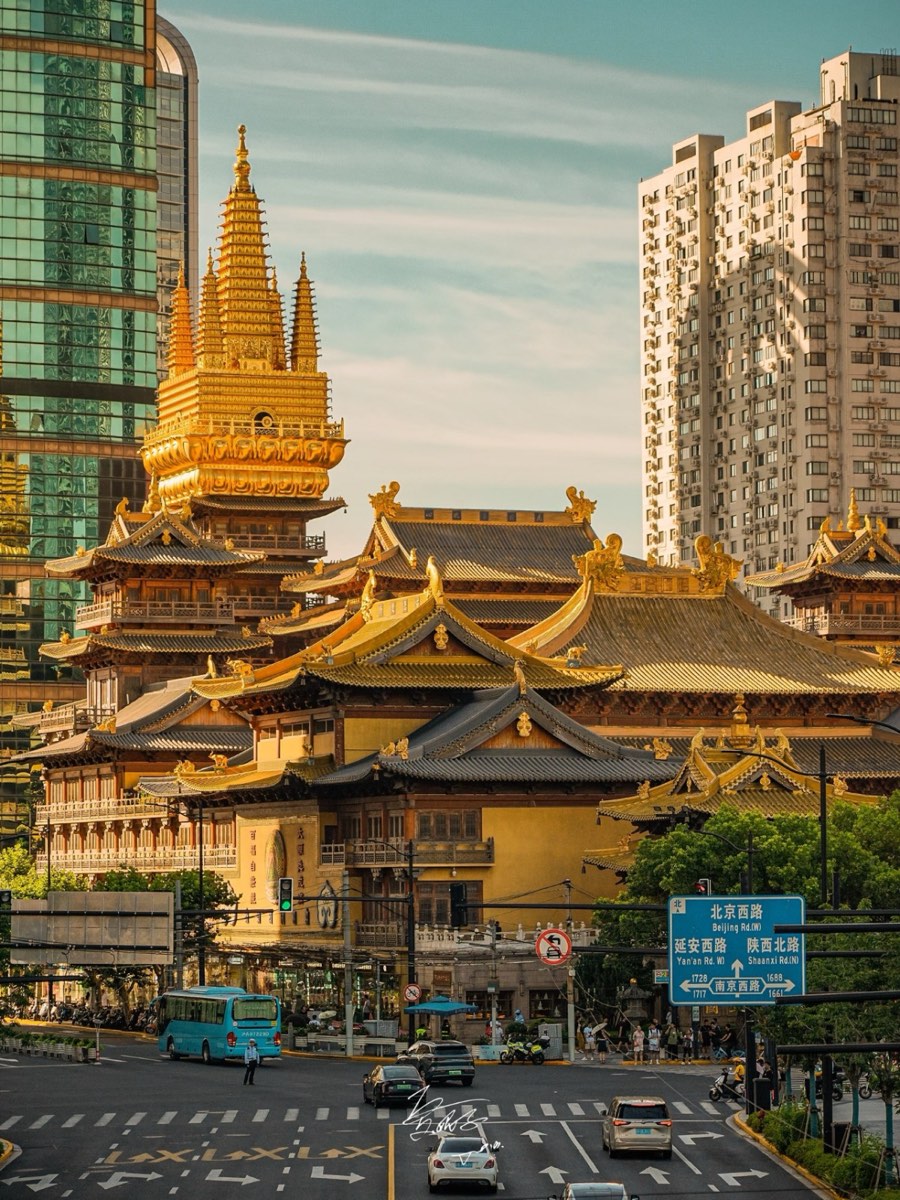
Jing'an Temple 静安寺
Gold roofs against glass towers; the famous shot is free from the street.
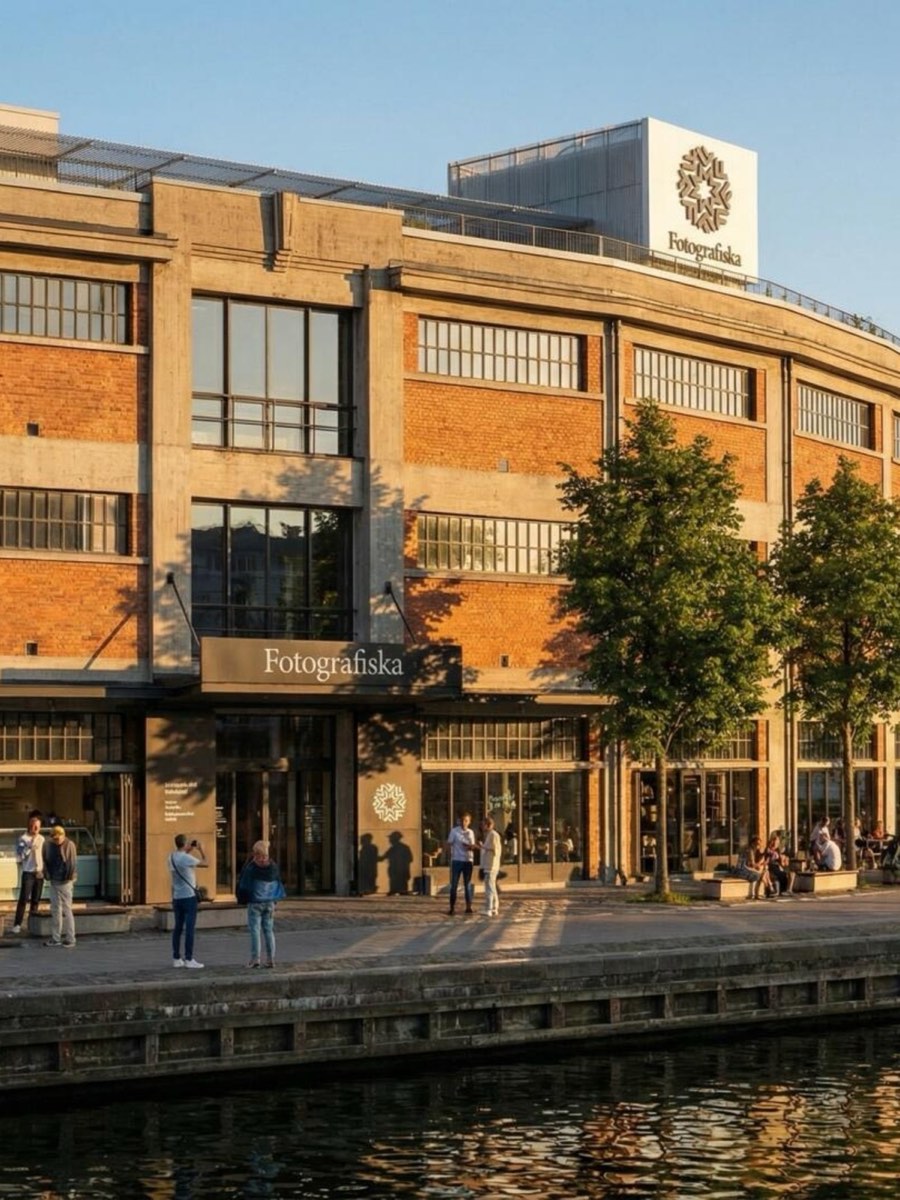
Fotografiska 影像艺术中心
Four floors of photography on the creek, open until 23:00 — culture after dinner.
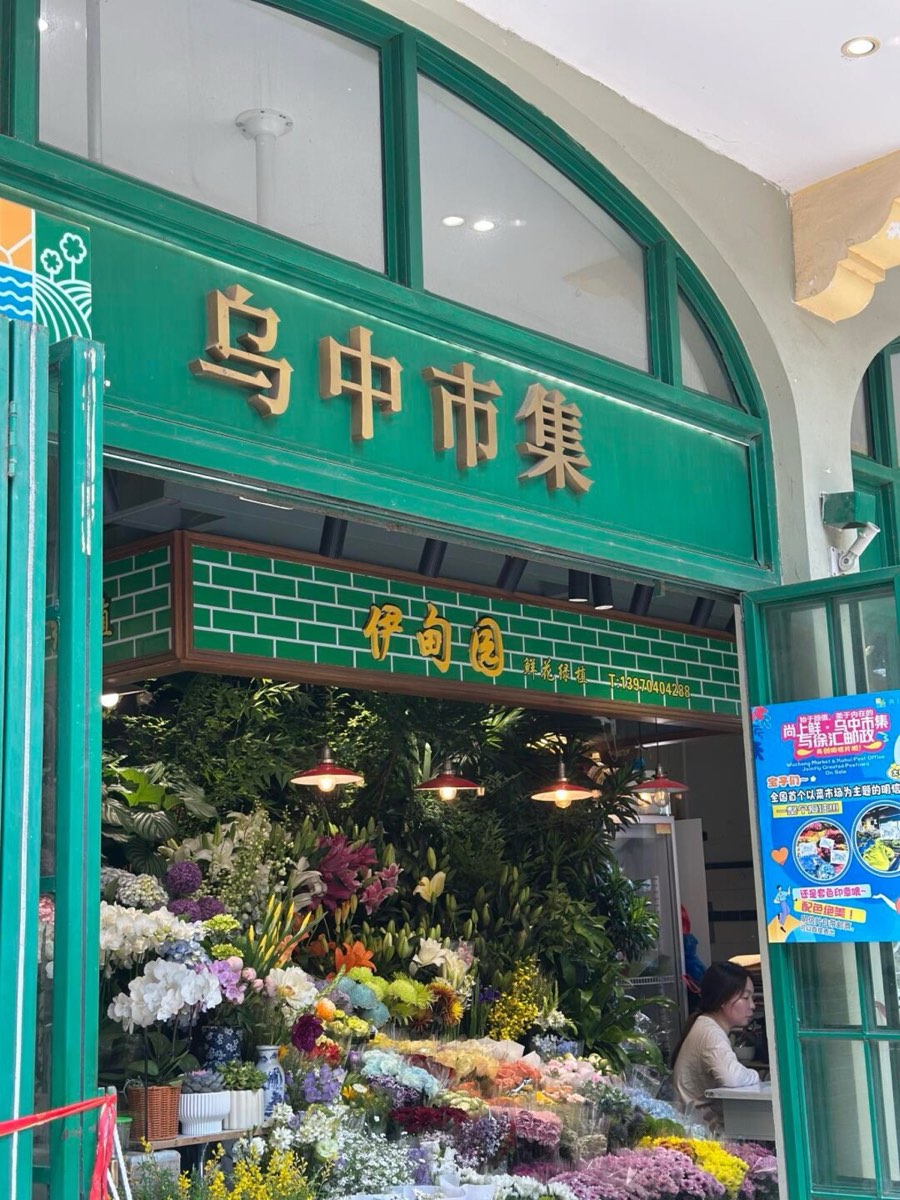
Wuzhong Market 乌中市集
A working wet market that once wore Prada — still the realest morning in the former French Concession.
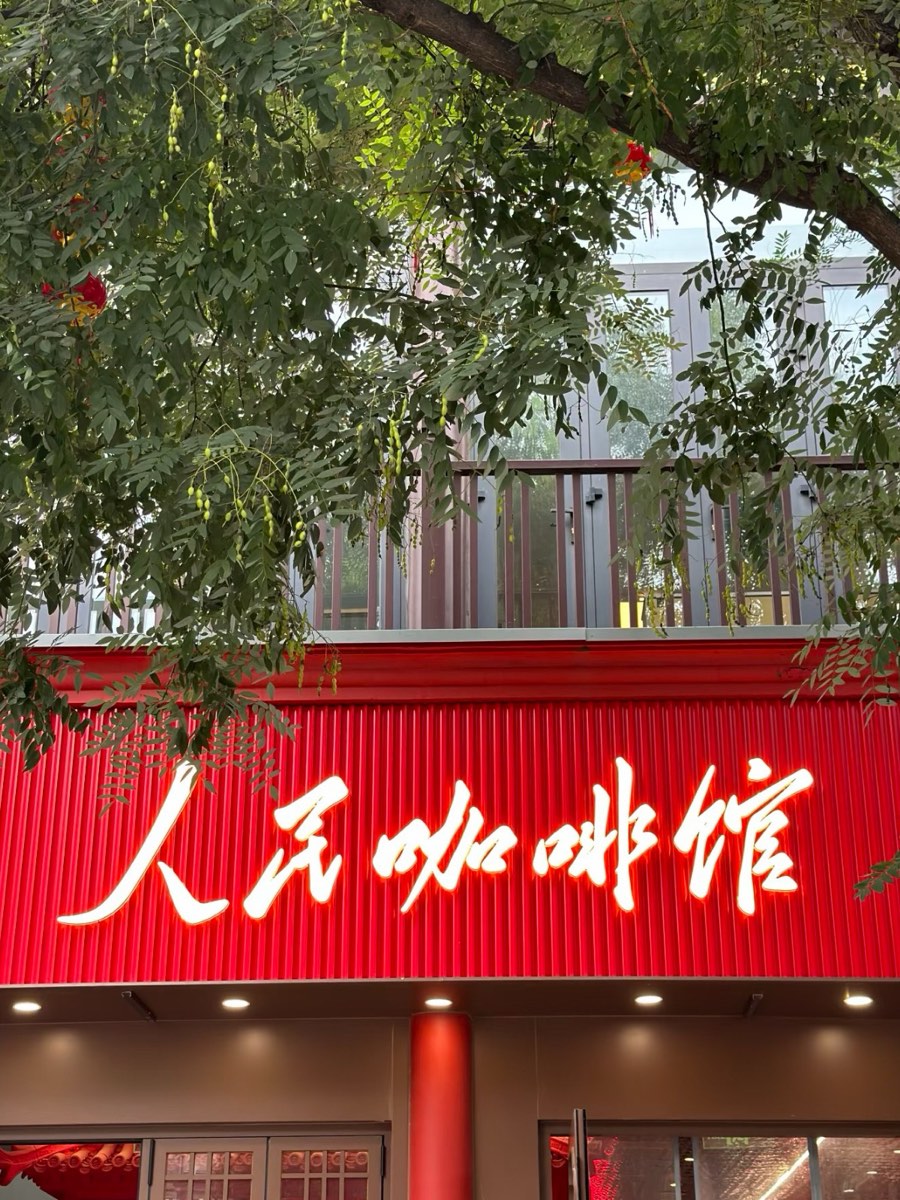
People's Cafe 人民咖啡馆
The free front-row seat on Suzhou Creek, a retro-red café at the foot of the Sihang Warehouse.
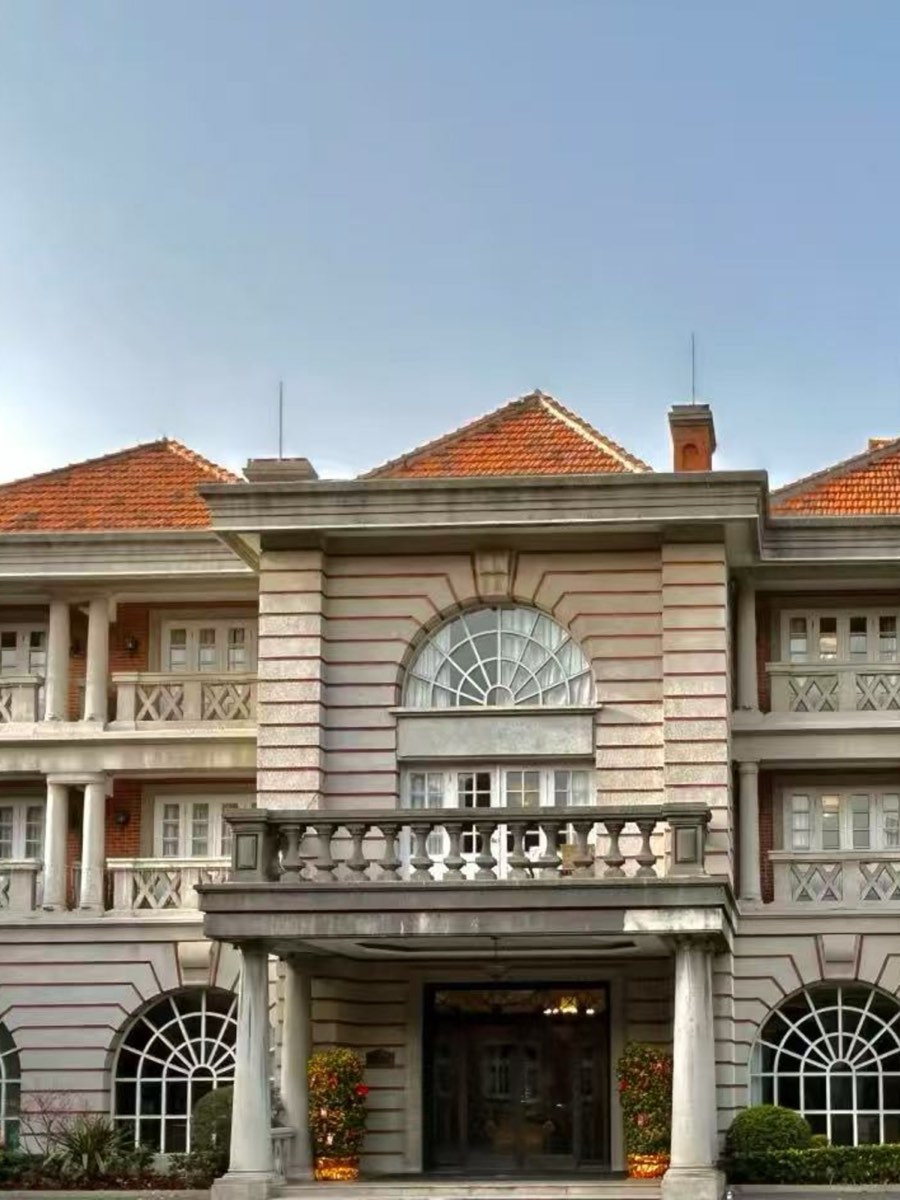
Ruijin Hotel Gardens 瑞金宾馆
A 1917 estate you can just walk into — flower wall included.
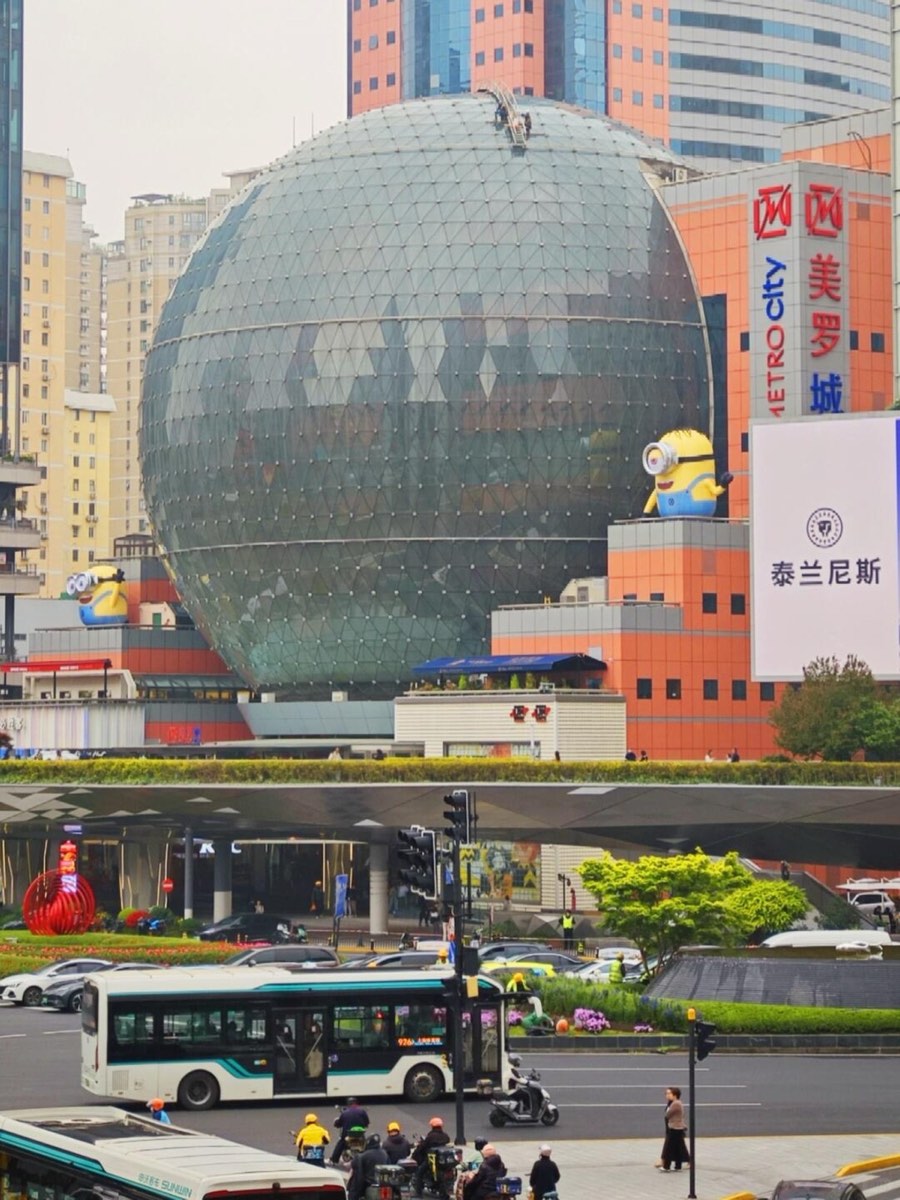
Metro City 美罗城
The Xujiahui glass sphere where the anime-and-merch trail starts — China's first JUMP Shop included.
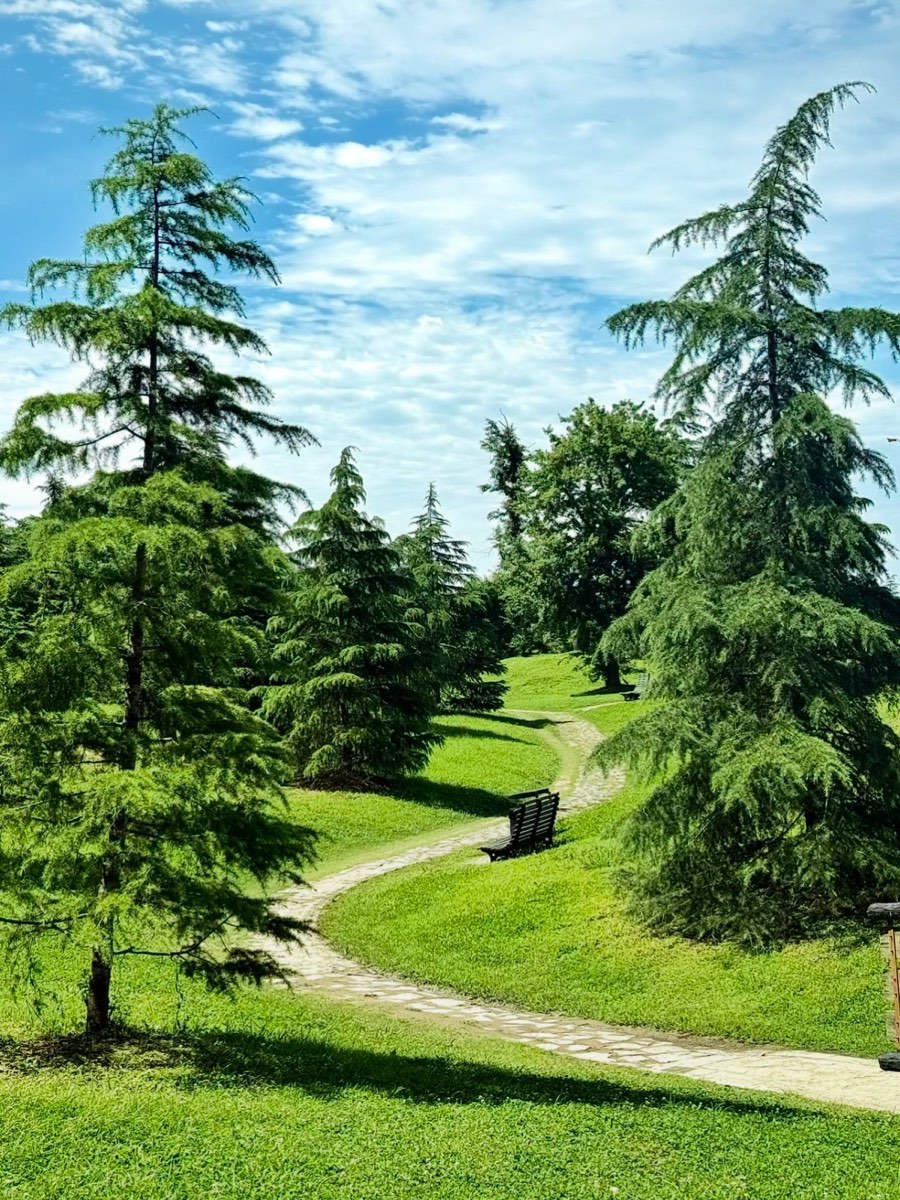
Gongqing Forest Park 共青森林公园
130 hectares of real forest, free since 2021 — locals save it for rainy weekends.
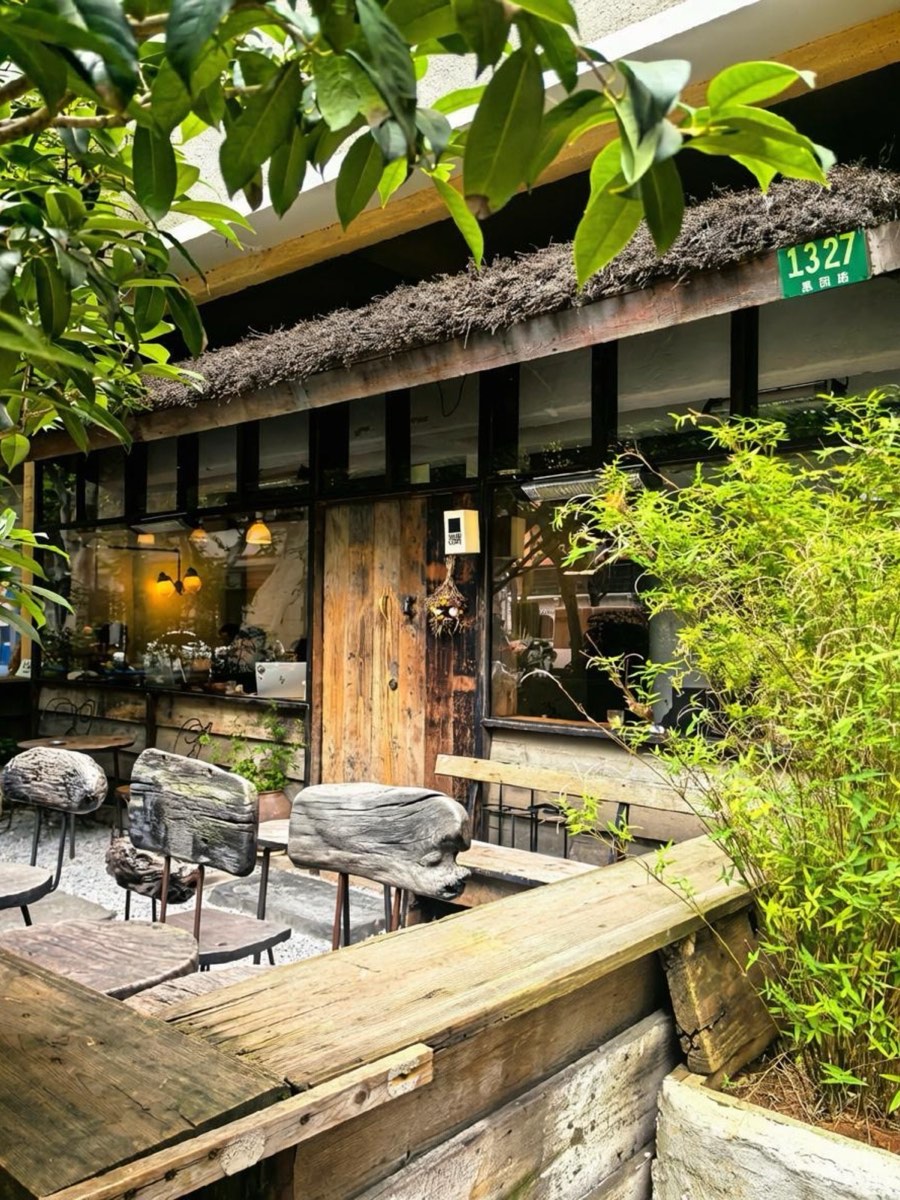
Wabi Coffee 愚园路
The hand-brew courtyard pause at the quiet end of Yuyuan Road.
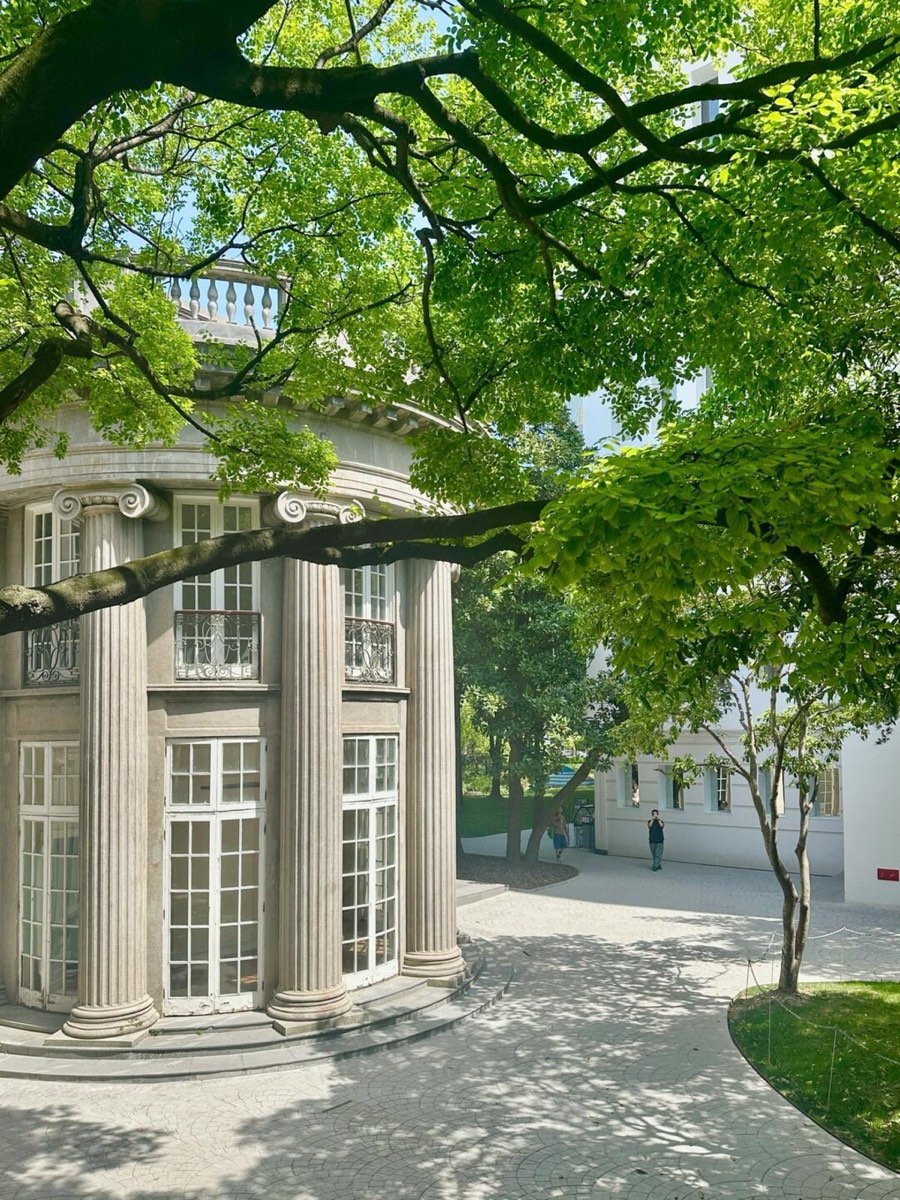
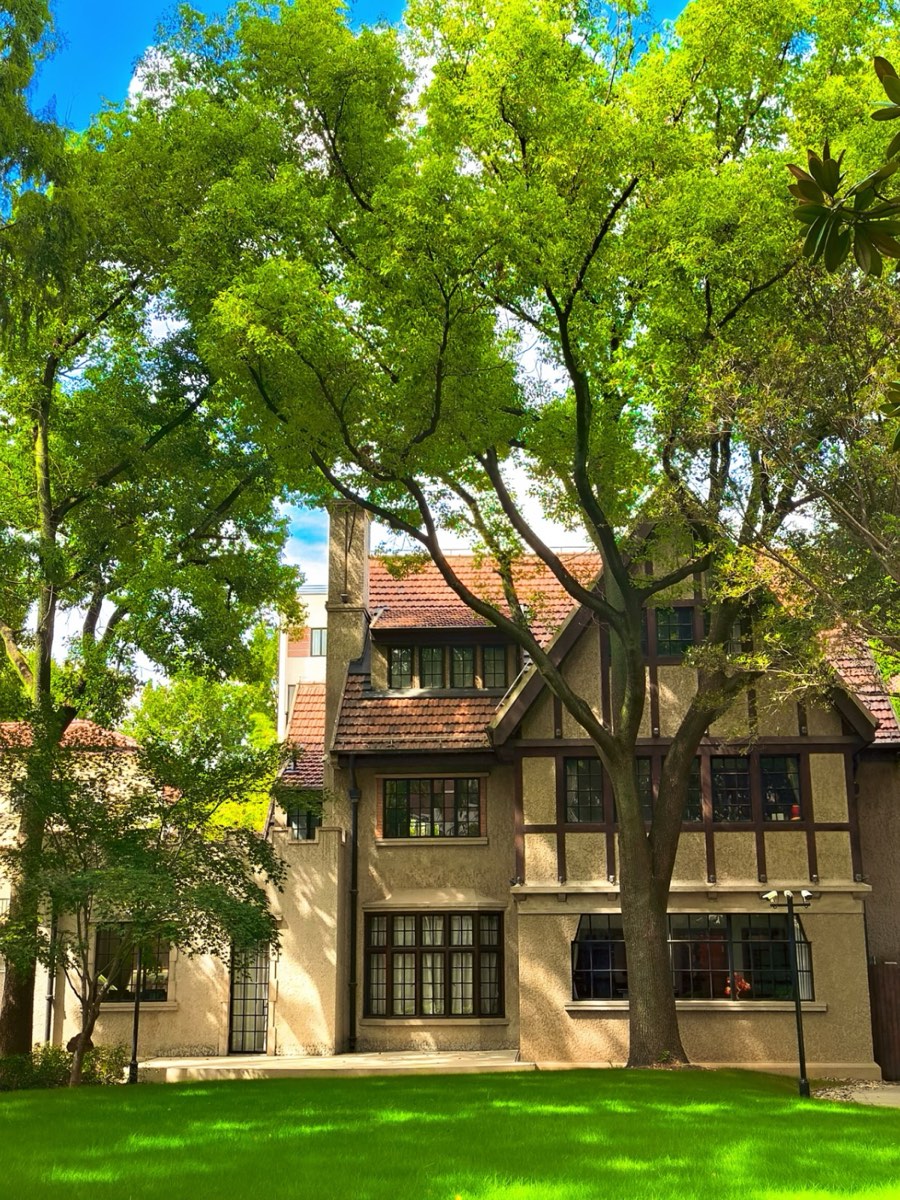
Ho Tung Residence 何东旧居
A tycoon's 1920s mansion whose lawn became free public green space — tree through the building and all.
Xia Yan's Residence 夏衍旧居
A film pioneer's 1932 garden villa — free, but the booking lives inside WeChat.
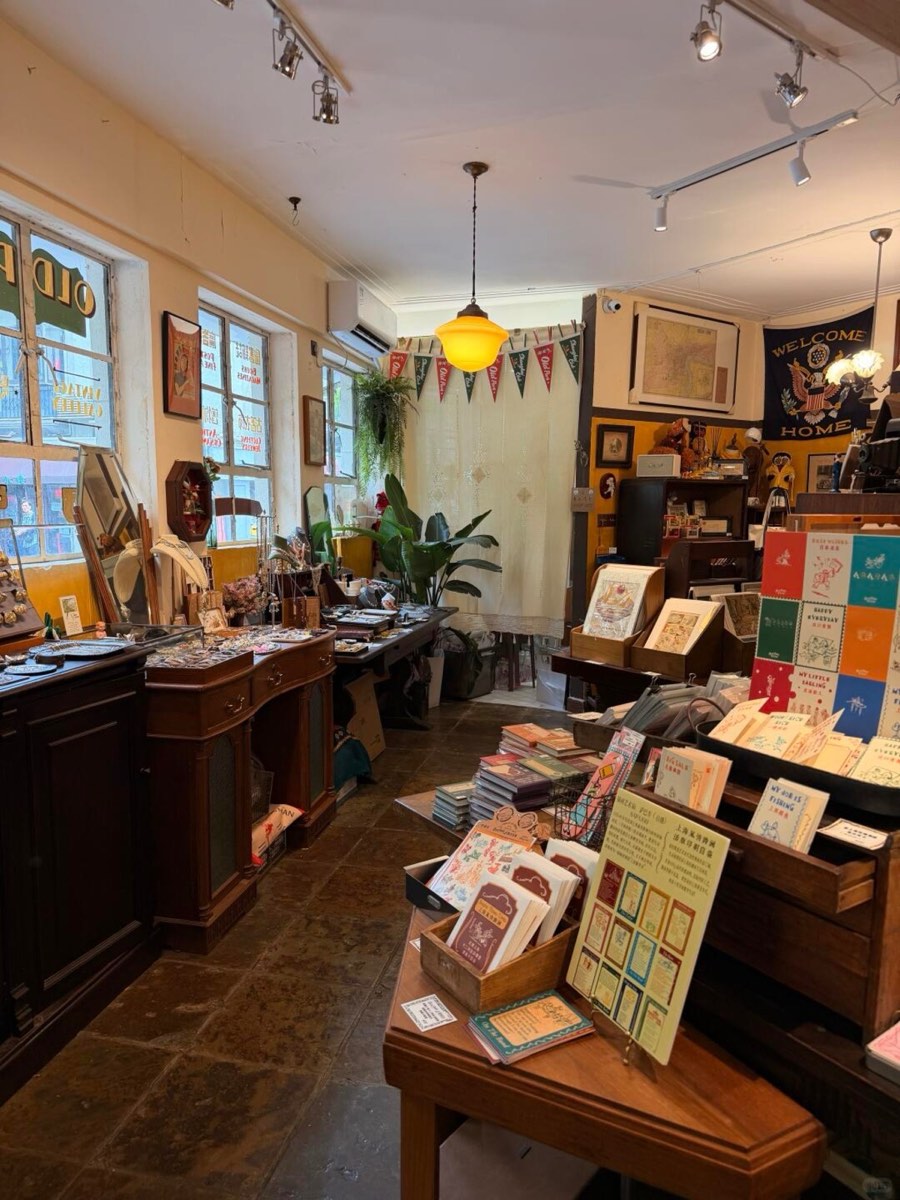
Siyuan Bookstore 思远旧书店
Two shelves of second-hand books and a roomful of time, hidden on a Yongjia Road corner.
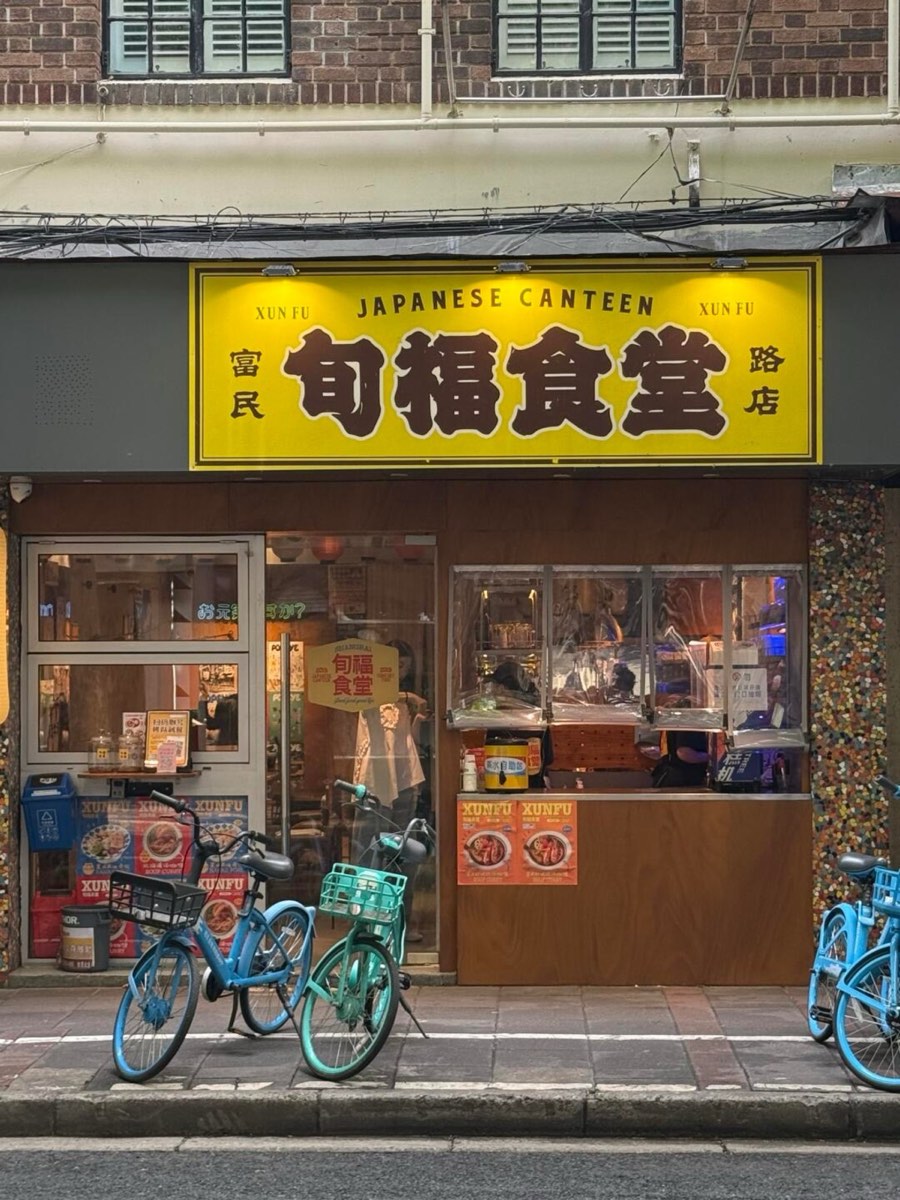
Xunfu Canteen 旬福食堂
The Fumin Road soup-curry canteen with a permanent queue — two walking guides both stop here.
More Shanghai from KORA
Exhibitions & Brand Houses
Louis Vuitton's giant ship, Prada's mansion, Hermès and the Wukang Road brand walk — which are walk-in, which KORA books.
The Contemporary Art Circuit
West Bund's Pompidou partner, the biennale power station, art in jet-fuel tanks — with the ticketing rules that matter.
The Underground at Night
System, Heim, Exit and the C·PARK basement — covers, timings, and how visitors actually get in.
FAQ
What is Rednote?
Rednote (小红书) is the app Chinese people actually use to decide where to eat, walk and shop — hundreds of millions of users posting first-person field notes. It's almost entirely in Chinese, which is why we read it so you don't have to.
How does KORA choose these places?
We read what locals actually post on Rednote and Dianping — the spots they keep coming back to, the corners worth the detour — and leave the tourist traps off the list. Ask KORA in chat and it narrows these down to what fits you.
Will other cities get this treatment?
Yes — Shanghai is the first city built this way; more cities follow as we read through their local notes. Each city lights up on the map as its page fills out.
First time in China?
KORA is the insider in your pocket.
Directions, translations, ticket bookings, and a payment rescue when a QR code refuses your card.